Flower Identifier Online
Wondering what kind of flower is this or what flower is this picture? Upload a clear bloom photo to identify a flower by picture online, compare likely matches, see common and scientific names, and get practical next-photo guidance without downloading an app.
Identify a Flower by Picture in Your Browser
This flower identifier by picture reviews visible bloom traits such as petal shape, flower center, color pattern, leaf form, and overall structure. It works in the browser, so you can identify a flower from a picture without installing an app first. After upload, your result can include likely species matches, common and scientific names, family, care basics, and notes about lookalikes.
Drag & drop your photo here, or click to browse
Supports JPG, PNG, WEBP · Max 10MB
Identifying Your Plant...
This may take a few seconds depending on the image
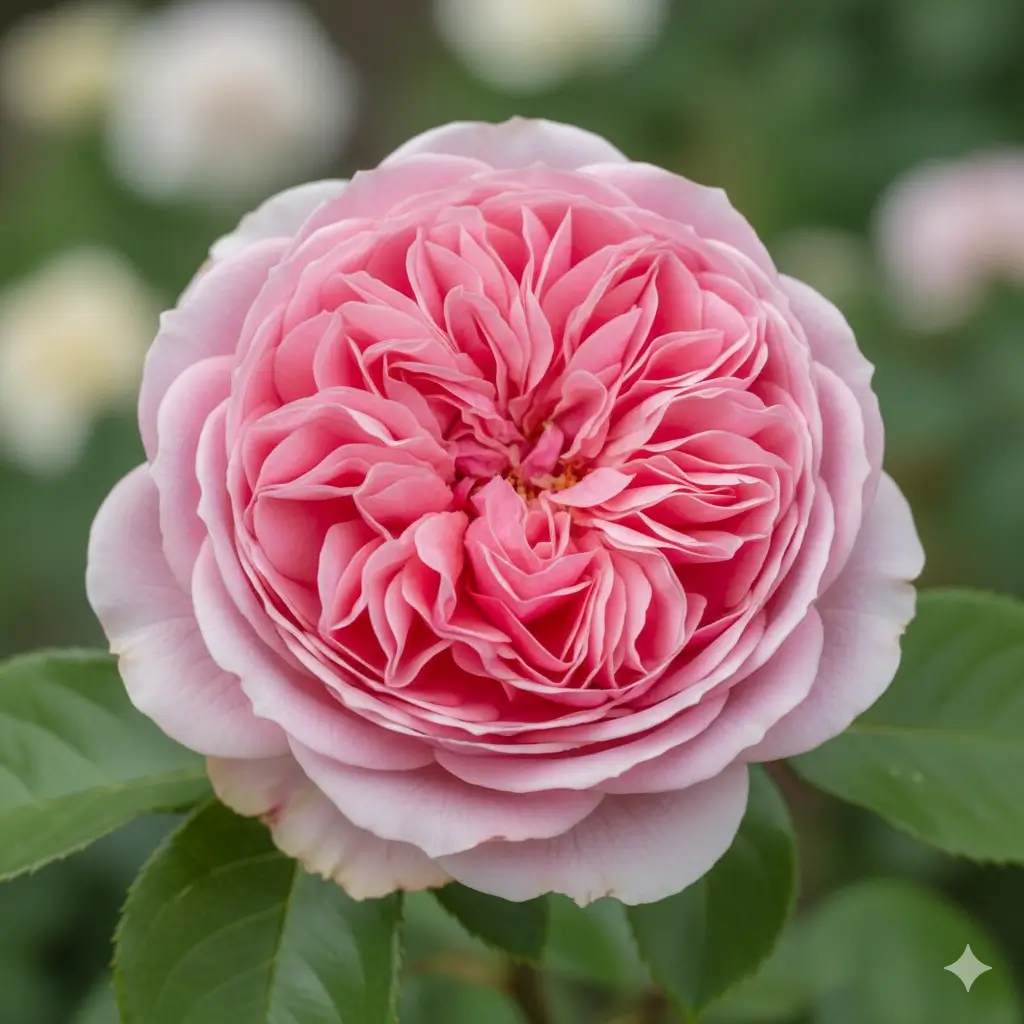
Rose
Rosa hybrida
A classic garden and bouquet flower with layered petals, thorny stems, and many cultivated forms that can vary in color and bloom shape.
Possible Lookalikes: Camellia, peony, ranunculus, and some double begonias can appear similar in one flower picture.
Next Step: If you want stronger confirmation, upload a side view of the bloom and one clear photo of the leaves and stem.
Possible Lookalikes:
Next Step:
How to Use This Flower Identifier
Upload a Clear Bloom Photo
Start with one sharp flower photo in good light. A close bloom image helps this flower identifier read petal arrangement, flower center details, color zones, and visible structure better than a distant garden shot.
Review Likely Flower Matches
The flower identification result is shown as likely matches instead of one forced label when several flowers look similar. That approach is more useful for what flower is this questions because many garden flowers and wildflowers can share a very similar color and shape.
Confirm with Extra Context
Use the result with the common name, scientific name, family, care basics, and lookalike notes. If the top answer looks close but not exact, add a side-view bloom photo or a leaf photo to improve flower identification confidence.
What Kind of Flower Photo Works Best?
People searching for a flower finder or flower identifier by picture usually want a quick answer, but image quality strongly affects the result. These practical tips help the tool read the visible clues that matter most in flower identification.
Use Bright, Natural Light
Even light helps the flower identifier read petal edges, texture, and color transitions accurately. Dark shadows, blown highlights, and heavy filters can hide the exact details that separate one bloom from another.
Fill the Frame with the Bloom
A flower photo works best when the bloom is the clear subject. If the flower is tiny in a wide garden picture, a flower identifier may return broader or less helpful matches than a close and focused shot.
Add a Side View if You Can
Many flowers that look similar from the front are easier to separate from the side. A side-view bloom photo can reveal cup shape, petal layering, tube length, and the way the flower sits on the stem.
Include Leaves or Stem for Lookalikes
If your first flower identification looks uncertain, add a photo of the leaves or stem. Leaf edge, vein pattern, stem texture, and thorns often help distinguish flowers that share nearly identical petals or color.
Why these photo tips matter
Most users do not need a deep botany lesson before using a flower identifier. They need clear advice on what to photograph and why it helps. Start with one strong bloom picture, then add a side view, leaf photo, or stem detail if several likely flower matches still look close. For broader plant photos, use the plant photo identifier instead of forcing a flower-only result.
Why a Flower Identifier May Show Several Matches
Flower identification from one image can be very helpful, but it is normal for a careful tool to show several likely flowers when the visible clues overlap. Many flowers share color, petal shape, and overall bloom form, especially in common garden varieties, wildflowers, and bouquet flowers.
Many Flowers Share the Same Front View
A single front-facing bloom photo may not show the details that separate one flower from another. Daisies and asters, lilies and daylilies, or roses and camellias can look very close in a quick what flower is this picture.
Extra Angles Improve Flower Identification
If your flower identifier result includes lookalikes, the next best step is usually a side view of the bloom, then a clear leaf or stem photo. Those extra angles often reveal structure that a single beauty shot leaves out.
Use the Result as a Guided Shortlist
The best way to use an identify flower result is to compare the top matches with the real flower in front of you. Treat the output as a shortlist with evidence, then check bloom structure, leaf shape, and growth habit before deciding the match is final.
Important flower safety note
Do not rely on one flower identifier result alone to decide whether a flower is edible, medicinal, non-toxic, or safe for pets and children. Use the result as a starting point, then verify with trusted local guidance when the decision matters.
What You Get After You Identify a Flower
Common and Scientific Flower Names
A good flower identifier should give you a name you can recognize right away and a scientific name you can verify later. That makes flower identification easier for beginners, gardeners, florists, and curious visitors alike.
Likely Matches and Lookalikes
Instead of hiding uncertainty, the flower identifier can surface similar flowers when one picture is not enough. This is especially useful for identify flower searches where several blooms share the same general shape or color.
Family and Growth Context
Family-level context can help you understand whether the bloom is part of a broader group with familiar traits. That extra layer makes a flower finder more useful than a simple image search that only shows visually similar pictures.
Basic Care Information
After a flower identification, many users want to know what to do next. This page supports that intent by pairing likely flower matches with simple light, watering, and care context when available.
Safety Notes for Real-Life Decisions
A flower identifier can also help flag when a flower deserves extra caution around pets or children. That kind of practical context is useful for home gardeners, bouquet recipients, and anyone bringing an unknown flower indoors.
Browser-Based Flower Lookup
Some users want flower identification online without installing anything first. This page keeps the workflow simple by letting you upload a flower picture on mobile or desktop directly in your browser.
Flower Photo Inputs That Improve the Match
When someone asks what flower is this, the fastest improvement is usually a better input photo. Use this table to decide which picture to upload first and which extra angle to add if the flower identifier shows close matches.
| Photo input | Best for | Strength | Watch out |
|---|---|---|---|
| Front bloom close-up | Common garden flowers, bouquet flowers, and wildflowers with visible petals | Shows petal count, color pattern, flower center, and symmetry clearly | Can miss side shape, leaf clues, and stem details |
| Side-view bloom photo | Bell-shaped, tubular, layered, or cup-shaped flowers | Reveals depth, petal layering, tube length, and how the bloom attaches | Works best when the image is sharp and the background is simple |
| Leaf and stem detail | Roses, daisies, asters, lilies, and other close flower lookalikes | Adds leaf edge, vein, thorn, and stem texture clues that petals alone may hide | Do not replace the bloom photo unless the flower is no longer visible |
| Whole plant context | Wildflowers, shrubs, and garden plants where growth habit matters | Shows height, branching, leaf arrangement, and how flowers grow on the plant | A distant photo should be paired with a close bloom image |
For most flower identifier searches, start with a close bloom photo, then add a side view or leaf detail when the result includes several likely flowers.
Related Plant Identification Tools
Use a more specific tool when the photo shows a leaf, whole plant, tree, succulent, or plant health issue rather than only a bloom.
Flower Identifier FAQs
Upload a Flower Photo and Get a Faster Answer
Start with one clear bloom image, compare likely flower matches, and use the result to learn the name, care basics, and next step with more confidence.