What Is This Plant? Identify It From a Photo
What is this plant? Upload a clear photo from your garden, yard, park, or home to see likely plant names and types. The result explains visible traits, care clues, lookalikes, and what to photograph next—without installing an app.
What Is This Plant? Upload a Photo
Use this online plant identifier when you want to answer what is this plant or what kind of plant is this. Upload a whole-plant photo plus a leaf, flower, fruit, bark, or stem close-up when available; the result gives likely matches and the clues behind them.
Drag & drop your photo here, or click to browse
Supports JPG, PNG, WEBP · Max 10MB
Identifying Your Plant...
This may take a few seconds depending on the image
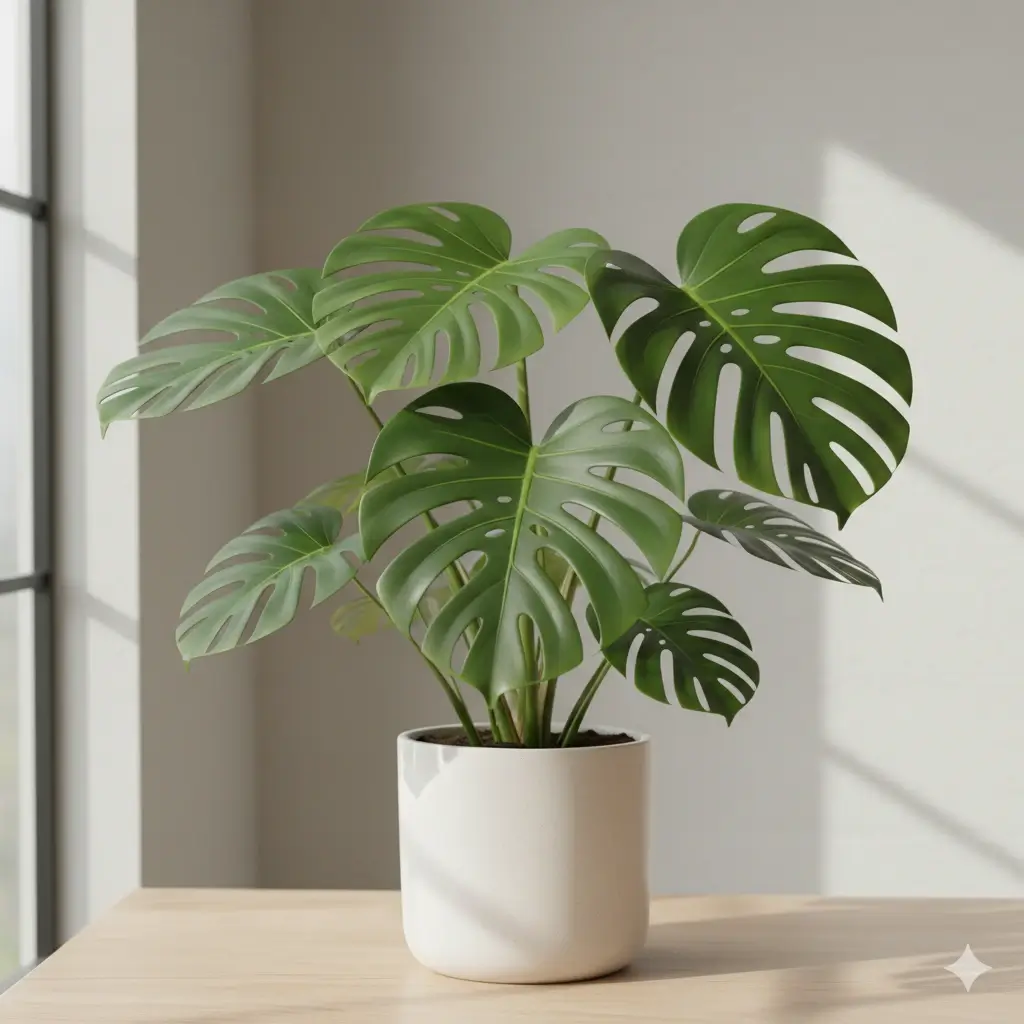
Monstera
Monstera deliciosa
This common indoor plant is often recognized by mature glossy leaves with deep splits and inner holes.
Possible Lookalikes: Rhaphidophora tetrasperma, juvenile monstera, and split-leaf philodendron are common lookalikes in quick uploads.
Next Step: Upload a second close-up of one mature leaf and a wider view of the pot for stronger confirmation.
Possible Lookalikes:
Next Step:
How to Find Out What Plant This Is
Start With the Clearest Photo
Choose a focused image where the unknown plant fills the frame. A whole-plant photo helps with growth habit, while a leaf, flower, fruit, or stem close-up helps the tool compare the visible details that matter for plant identification.
Let the Tool Compare Visible Traits
The plant identifier online reviews details such as leaf edges, veins, flower shape, color, bark, and overall structure. When the photo does not show enough evidence, it may return likely matches with lower confidence instead of pretending one answer is certain.
Check the Match Before Acting
Use the result as a guided shortlist. Compare the common name, scientific name, care clues, safety note, and lookalikes with the plant in front of you. For eating, medicine, toxicity, or pet safety, confirm with a reliable local source.
What Plant Photo Gives the Best Answer?
If you are asking what kind of plant is this, start with one clear whole-plant view and add the feature that separates it: a leaf edge, flower, fruit, bark, or stem.
Capture the Whole Plant
A wider shot shows whether the plant is a tree, weed, vine, shrub, flower, herb, succulent, or houseplant. Growth habit often separates plants that look similar in a single cropped leaf photo.
Add a Clear Leaf Close-Up
Leaf shape, edge, veins, surface texture, and arrangement are useful clues. If you only have one photo, make sure the leaf is sharp, well lit, and large enough for the plant identifier by picture to read.
Show Flowers, Fruit, or Seeds
Flowers and fruit often provide stronger evidence than leaves alone. A clear bloom, berry, pod, cone, or seed head can help answer what type of plant is this when several species share similar foliage.
Keep Useful Context
Indoor pot, lawn, woodland, roadside, wet soil, or garden bed context can matter. Location does not replace visual traits, but it helps narrow the likely answer when plants have regional lookalikes.
A better photo often beats another search
If the first result feels uncertain, do not repeat the same image. Take one wider photo and one close-up of the strongest clue you can see. That simple change often helps more than switching between several plant identification tools.
Which Clues Help Name This Plant?
The name of this plant is easier to check when several clues agree. Use size, leaf arrangement, flower or fruit structure, habitat, and season together instead of relying on color alone.
Size and Shape
Height, spread, climbing habit, branching, and rosette form help separate trees, shrubs, vines, grasses, weeds, and indoor foliage plants.
Leaf Pattern
Opposite, alternate, whorled, compound, lobed, smooth-edged, toothed, glossy, fuzzy, or variegated leaves can all change the likely match.
Flower and Color Clues
Flower color is useful, but shape, petal count, bloom cluster, center structure, and season usually matter more than color alone.
Stem, Bark, or Thorns
Woody stems, bark texture, thorns, milky sap, square stems, and tendrils can point toward a specific plant family or rule out a lookalike.
Habitat and Region
A plant in a dry roadside ditch, shaded forest floor, wet lawn, or indoor pot may have a different shortlist even when the leaves look alike.
Safety Context
If the plant may be edible, poisonous, irritating, invasive, or risky for pets, treat the result as a starting point and verify before touching or using it.
Why the page shows likely matches
Many plants change across seasons and life stages. Seedlings, damaged leaves, nursery cultivars, and plants without flowers can be difficult even for experienced gardeners. A careful answer explains what it sees and what to photograph next.
Plant Identifier Online vs Google Lens vs Plant Apps
Different tools can answer what is this plant in different ways. The best choice depends on whether you need a quick plant name, a dedicated plant result, or community confirmation.
| Option | Best for | Strength | Watch out for |
|---|---|---|---|
| PlantIdentify.org | Fast browser-based plant identification | Focused on plant names, visible traits, care clues, lookalikes, and next steps without an app download. | Results still depend on photo quality and visible plant parts. |
| Google Lens | General visual search | Useful when you want visually similar images from the web and already use Google tools. | May behave more like image search than a plant-specific explanation. |
| Plant apps | Ongoing plant care workflows | Some apps combine identification, reminders, disease checks, and plant collections. | Many require installation, account setup, trials, or subscriptions. |
| iNaturalist or Seek | Wild plants and nature observations | Helpful for location-aware observations and community-backed confirmation. | The workflow can be heavier when you only want a quick answer. |
For most casual questions, start with a clear upload here. If the answer affects safety, foraging, pets, or local invasive plant decisions, use the result as a clue and confirm with an authoritative source.
Why One Unknown Plant Can Have Several Matches
A single photo may not show every feature needed for an exact species answer. That is normal for plant identification, especially when flowers, fruit, scale, or location are missing.
Similar Species Share Traits
Many related plants have nearly identical leaves or flowers. A plant identifier online can narrow the answer, but a close look at stems, fruit, or growth habit may still be needed.
Plants Change by Season
A spring seedling, summer flowering plant, and winter stem can look like different plants. If you ask what plant is this from an off-season photo, expect a more cautious result.
More Evidence Improves Confidence
If two matches seem possible, upload a sharper close-up of the feature that separates them. Leaves, flowers, fruit, bark, and the whole plant together make a stronger case.
Important safety note
Do not rely on one AI plant identification result to decide whether a plant is edible, medicinal, safe to touch, or harmless to pets and children. Use the result to guide further checking when the decision matters.
What You Get After Asking What Is This Plant
Common and Scientific Names
The result can include a readable common name and a Latin scientific name, so you can search, compare, or confirm the plant more accurately.
Likely Matches and Lookalikes
When several plants look close, the page can surface likely matches and common confusion points instead of hiding uncertainty.
Visible Trait Explanation
Identification notes explain what details support the match, such as leaf shape, flower structure, color, bark clue, or growth habit.
Care Clues
After you know what type of plant this is, basic light and watering context can help you decide what to do next.
Safety Notes
The answer can flag pet or handling caution when available, while reminding you to verify high-risk decisions with reliable sources.
Browser-Based Workflow
Upload from phone or desktop without installing a plant app first. This is useful when you just need a quick plant identification from photo.
What Is This Plant FAQs
Find Out What Plant This Is
Upload one clear photo, review the likely match, and use the visible traits, care clues, and safety notes to decide what to check next.